New developments in the dynamic field of blockchain technology are constantly challenging the boundaries. One such advancement is the provision of layer 3 blockchain development services are one such advancement. These services provide new levels of functionality, interoperability, and scalability. This guide explores the Layer 3 blockchain concept, its importance within the blockchain ecosystems, and its potential applications.
Understanding the Layers of a Blockchain
Blockchain technology works best when you understand “blockchain layers”—which may seem confusing at first. These levels construct the decentralised system by performing diverse but interrelated functions.
Moving from Layer 0 to Layer 2 shows how technology is always trying to get better. However, as the ecosystem expanded, a new challenge emerged. The development of blockchain applications that is more user-friendly and simplified. This need led to the creation of the application layer, also known as Layer 3. Layer 3 blockchain development utilizes the blockchain network architecture.
In the blockchain structure, Layer 3 is the application layer. It allows for dApps and network access. The faster scalability of Layer 3 guarantees that dApps can manage traffic surges without compromising efficiency.
When blockchain ecosystems are interoperable, users can communicate and share data more easily. Stringent security measures prevent any potential breaches. Privacy provisions ensure that user data is kept secure.
The Objective of Layered Protocols
The Internet is one of the best instances of layered protocol design. This layout was a critical factor in its growth and utility. Distinct protocols interconnect to divide the functionality.
Layered protocol designs have many benefits:
1. Interoperability –
IP works with a lot of different networking systems because it hides the differences between them. IP can communicate across a link that is capable of sending data. As a result, we can establish a seamless connection, regardless of the underlying network.
2. Upgradeability –
Abstractions allow distinct levels to evolve independently. The abstraction of various networking technologies has facilitated the transition to 4G connections. Although there was no requirement to alter the higher-level protocols, the connections continued to improve in speed due to advancements in networking technology.
3. Common Infrastructure for a Variety of Applications –
IP is independent of the use case; therefore, the same infrastructure may be used for Web, email, and VoIP. If the internet has been designed with the sole purpose of facilitating file transfers, we might require distinct networks for each use case. Rather, we have a unified internet that is capable of supporting a wide range of communication.
Layering is an indispensable tool for the development of systems; however, the most challenging aspect is determining which features belong in which layers. Excessive bundling negatively affects interoperability and upgradeability, while the number of layers increases system complexity.
Layer 3 Blockchain Features and Uses
Layer 3 blockchains provide a variety of features and uses that distinguish them from their predecessors:
1. The DeFi Revolution:
Layer 3 blockchains enable the necessary scalability for swift and cost-effective financial operations. These blockchain technologies use superior scalability and consensus methods to speed up and lower the cost of DeFi ecosystem transactions.
2. Protocols for interoperability:
The construction of interoperability protocols is one of the primary focuses of Layer 3 blockchain development. These protocols are designed to make communication and transmitting data between different blockchain networks as smooth as possible. These protocols facilitate the free passage of information and assets across various blockchains, thereby promoting a decentralised and interconnected ecosystem.
3. Cross-Chain Communication:
Layer 3 development heavily emphasises cross-chain communication. It enables users to establish connections with dApps and assets that are located on distinct blockchains. Such connectivity opens up new opportunities for supply chain management.
4. Excellent smart contract specifications:
Layer 3 blockchains offer more extensive smart contract functionalities than Layer 1 platforms. Layer 3 smart contracts enable unparalleled efficiency and flexibility in building DAOs and DApps. These support modular contract architectures and complex logic.
5. Scalability Systems:
Layer 3 development provides unique scaling solutions at a higher tier of the protocol stack to address Layer 1 and 2 blockchain scalability issues. These techniques boost decentralised application performance by increasing transaction throughput and reducing latency.
6. Useful consensus mechanisms:
Layer 3 blockchains use new consensus processes to improve throughput, latency, and scalability. Layer 3 blockchains optimise network performance, decentralisation, and security by mixing PoS, PoA, and other consensus methods.
7. Governance and Decentralisation:
Layer 3 blockchains’ complex governance systems enable stakeholder engagement in decision-making and network governance. Layer 3 blockchains have decentralised systems of government It lets users shape the future of the network, settle disputes, and keep the ecosystem secure.
8. Modular Design and Personalisation:
Modular and customizable Layer 3 blockchains allow developers to adapt the network to new use cases. Layer 3 blockchains offer unmatched versatility and flexibility for many sectors and applications. Their consensus procedures, interoperability standards, and plug-and-play capabilities are customisable.
9. Cloud-based Oracles:
Smart contracts rely on trusted information provided by decentralised Oracle platforms. Decentralised oracles are indispensable for the secure access of real-world data by dApps. This data is implemented to facilitate decentralised banking applications.
10. Cross-Platform Compatibility:
Layer 3 solutions promote cross-platform interoperability. Therefore, dApps and protocols are compatible with any blockchain network, irrespective of its technology or consensus method. This interoperability promotes various blockchain settings, hence accelerating innovation and adoption.
Developing Layer 3 Blockchain: Key Considerations
Developing a Layer 3 blockchain is a challenging task. To realise your vision, you must understand ecosystem development’s technological challenges, resource needs, and importance. Let us explore the primary factors that contribute to success.
1. The need for expertise
The need for a customized Layer 3 should encourage investment. Carefully check to see if existing Layer 2 options or changes to Layer 3s can provide functionality that is close enough. Only undertake starting from scratch if the usage scenario necessitates a high level of specificity.
2. Technical Proficiency
A team with extensive knowledge of blockchain development, consensus methods, and strong security procedures is required to build a Layer 3. It will be necessary to use Solidity or another specialised computer language. Security audits conducted before deployment should be regarded as non-negotiable.
3. Development of the Ecosystem
A thriving Layer 3 is not a standalone entity. To attract developers and users, it is essential to provide clear guidance, user-friendly development tools, and the ability to integrate with popular tools. Developing a network impact should align with the advancement of technology.
4. Standards and Interoperability
Layer 3 should favour multi-chain communication technologies. To get the most out of it, ensure it can communicate easily with other Layer 3 systems, Layer 1s, and even off-chain ones. The key to success in the long run is sticking to the new interoperability standards.
The Potential of Layer 3 to Promote Innovation and Mass Adoption
1. Making scalability and interoperability more effective:
One of Layer 3 protocols’ primary benefits is its potential to promote interoperability and scalability across blockchain networks. Simplifying these issues makes blockchain technology more accessible, attracting more users and opening up new ideas.
2. Cost-effectiveness:
The economic feasibility of a technology significantly influences its adoption. Layer 3 is in a prime position to make blockchain accessible to more people and businesses by lowering operational costs. Also, being able to give and receive services worldwide cheaply and successfully is a big deal.
3. The advent of innovative business models:
When Layer 3 is in control, the lower levels’ limitations reveal previously unknown economic prospects. In addition to creating new avenues for economic growth, such breakthroughs may utterly revolutionise a variety of existing businesses.
Implementations of Layer 3 Blockchain Technology
1. Asset Swaps Across Chains
Layer 3 protocols make it possible for people to trade assets between blockchains without using centralised markets. This makes decentralized trade and liquidity provision easier, lowers counterparty risk, and makes the market work better.
2. Multi-chain dApps
Using layer 3 development, programmers may create decentralised apps that work across several blockchains, taking advantage of what each network has to offer. When compared to their single-chain peers, these multi-chain dApps may have better features, scalability, and user experience.
3. Compatible DeFi Platforms
Through the development of interoperable platforms, layer 3 solutions are facilitating the progress of financial decentralisation by connecting various protocol stacks and assets. This interoperability makes the DeFi world more liquid, opens up more markets, and encourages new ideas.
4. Cross-chain NFT markets
Layer 3 blockchain allows cross-chain non-fungible token exchanges and ecosystems, boosting NFT opportunities. These marketplaces allow NFT exchange between blockchains, improving accessibility.
5. Traceability of the Supply Chain
Layer 3 platforms can improve supplier visibility and traceability by facilitating data exchange and verification across chains. Businesses can boost product authenticity, reduce fraud, and increase consumer trust by collecting and validating data from their supply chains on numerous blockchains.
Advantages of Layer 3 Blockchains:
Layer 3 blockchains’ novel design provides several benefits to the blockchain ecosystem’s users and developers.
1. Accelerated development
Layer 3 offers a pre-made structure with features designed for particular kinds of applications. This eliminates the need for developers to start from the beginning when creating dApps, thereby saving them both time and money. Also, application-specific blockchains let developers focus on the most important features without having to deal with the limits of Layer 1.
2. Simplified DApp Deployment
Developers can take advantage of Layer 3’s category-specific features and functions while making decentralised applications. This streamlines development, reducing time to market and giving you an edge over the competition.
3. Decreased development expenses
Layer 1’s limited scalability can make transaction processing expensive. Transaction processing is expedited and more cost-effective through Layer 3, which inherits scalability from Layer 2. This results in substantial cost reductions for developers, thereby increasing the accessibility of dApp development.
4. Streamlined and affordable deals
Layer 3 blockchains make decentralized apps’ transactions much faster and cheaper than Layer 1 blockchains. Reduced transaction fees and shorter wait times are the results of this improved user experience.
5. A greater variety of niche dApps
Layer 3 encourages the development of a wide variety of decentralised applications (dApps) with specific features. Users can customise new apps for high-speed gaming, complicated DeFi operations, and secure data storage.
6. Improved user experience
Streamlined transaction processing, reduced fees, and application-specific features to improve the user experience. Layer 3 creates user-friendly, widely accessible dApps.
7. Enhanced widespread adoption
Layer 3 blockchains may increase blockchain adoption. Scalability, security, and compatibility make dApps ideal for wider use. Faster transaction speeds, reduced costs, and more apps for different requirements will attract consumers and developers. Layer 3 could bridge the blockchain technology vision and mass acceptance.
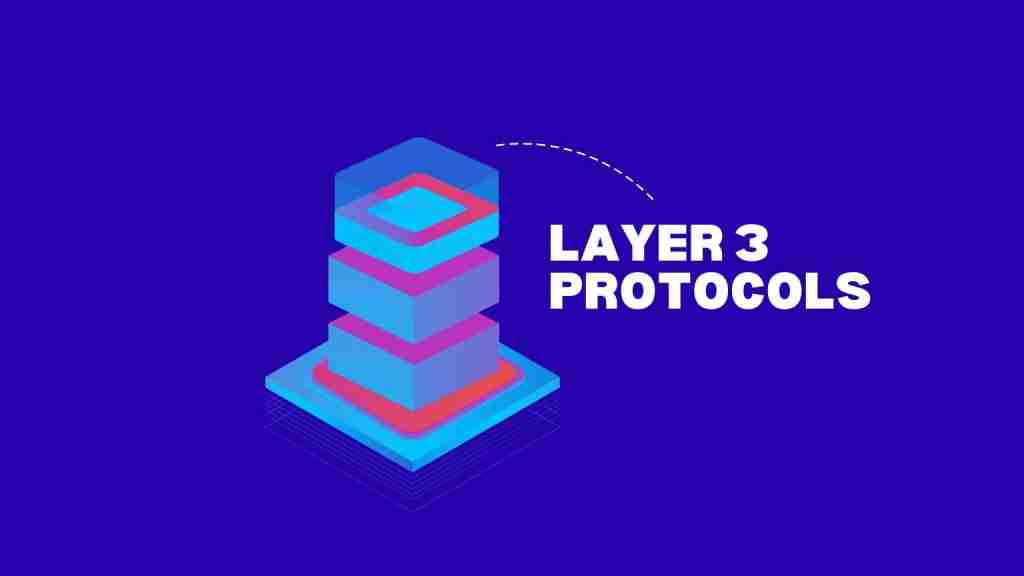
What is the mechanism behind Layer 3 Blockchains?
Layer 3 blockchains take security and consensus mechanisms from earlier blockchain layers. However, they customize and optimize for specific use cases. The usage of smart contracts, custom virtual machines (VMs), and other specialised technologies is typically employed to do this.
Furthermore, it enables developers to create blockchains that are precisely customised for their applications.
The use of layer 3 blockchains may also lead to greater compatibility between different blockchain systems. They can bridge previous digital currencies with Layer 3 networks for data exchange. Interoperability is essential for a more connected and smooth blockchain environment.
Conclusion:
Future projections show that Layer 3 blockchains will remain. New opportunities for interoperability, scalability, and creativity have opened up with the advent of layer 3 blockchain, marking a major leap in the blockchain ecosystem. Layer 3 solutions allow for cross-chain communication and bridge divergent blockchain networks, which leads to a future that is more linked and decentralized. Layer 3 promises to simplify high-volume blockchain transactions, defining its future.
By innovating and leading the industry, developers can find new opportunities and shape the future. Therefore, let us collaborate to construct the decentralised future.