Web3 gaming is on the top of the constantly developing game industry. Since the global blockchain gaming market is predicted to reach over $65 billion until 2028, there may be no denying its ability for expansion and innovation.
With blockchain technology, Web3 gaming provides new ideas absent from traditional video games, like decentralization and real in-game asset ownership.
The industry is also now concentrating on producing AAA-rated, high-quality games to improve gameplay and graphics and attract more popular players.
Let’s discover modern trends in Web3 gaming, compare them with traditional gaming, and make a few tough assumptions about how those developments may absolutely remodel the gaming market.
You will no longer need to overlook this adventure into the future of gaming, regardless of your level of hobby in blockchain era.
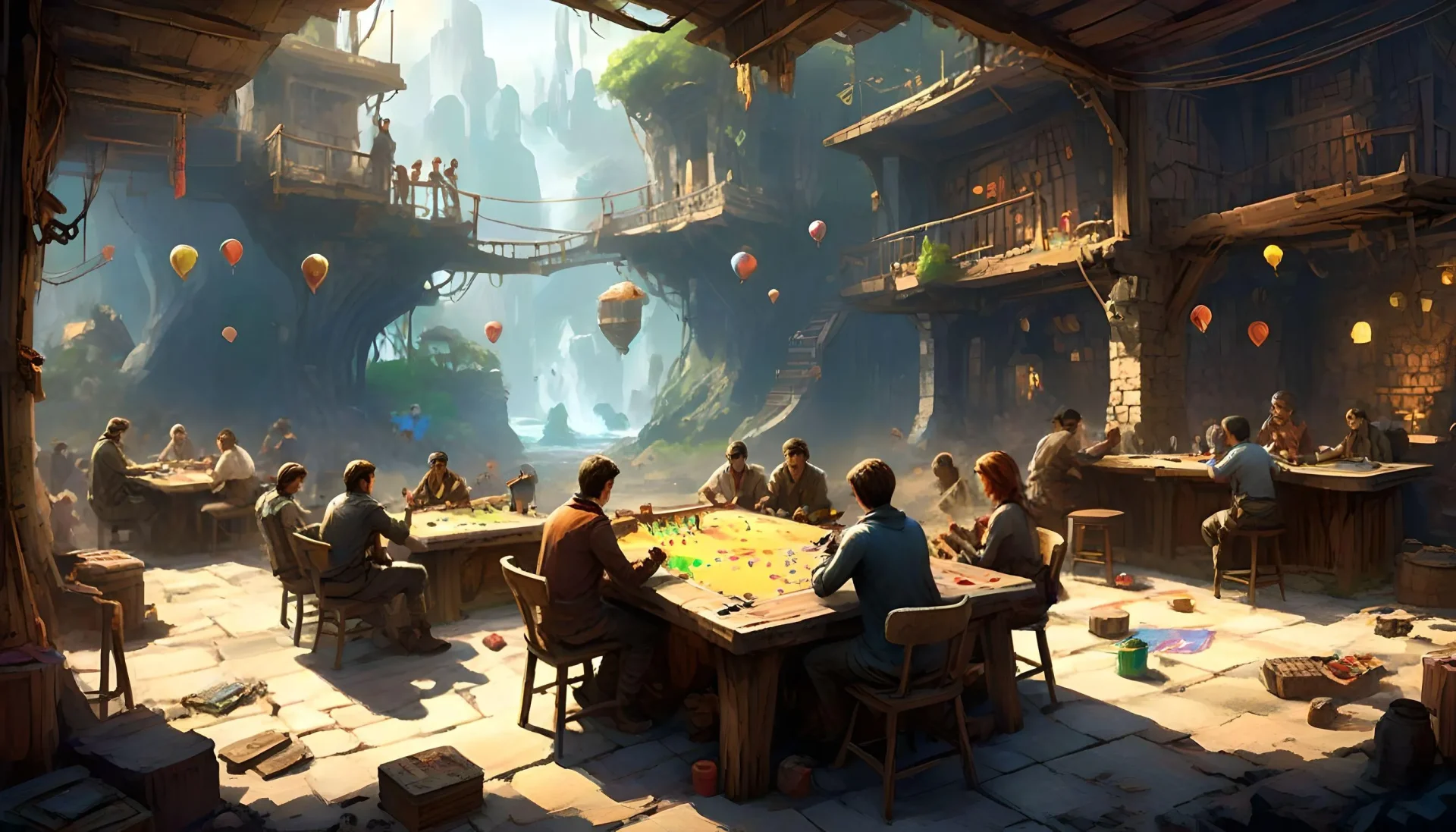
Advancements in Web3 Gaming
Evolution of Web3 Gaming
A) Early Days
Web3 gaming began with simple blockchain-based games like Axie Infinity and CryptoKitties.
These games allowed players ownership of their digital items and promoted the idea of NFTs as different, traded in-game assets.
In this situation, players would possibly breed, trade, and collect virtual cats, every represented by using an NFT in CryptoKitties.
Similar to this, Axie Infinity’s play-to-earn version lets users trade and fight Axies (NFT-primarily based animals) to earn real money.
While being progressive at the time, those video games had a lot of drawbacks.
The simple gaming mechanics and graphics did not appeal to a wider audience used to the depth of traditional games.
Also, the user experience was frequently hampered by high gas prices and network outages on blockchains like Ethereum.
B) Transition to AAA Standards
These games were innovative at the time, but they also had many problems.
A larger audience used to the complex nature of traditional games was not selected by the simple graphics and gameplay mechanics.
High gas prices as well as network outages on blockchains like Ethereum also frequently affected the user experience.
- Star Atlas
A space exploration game comes with a deep plot and beautiful graphics. As NFTs, players can own land, spaceships, and other things.
- Illuvium
An Unreal Engine-powered fantasy role-playing game in which players must capture monsters named Illuvials, each of which is represented by an NFT.
- Big Time
A multiplayer action role-playing game that combines stunning visuals with blockchain technology
Increased blockchain scalability has enabled the shift to AAA-quality games.
Many of the problems with older games have been resolved by platforms like Polygon and Solana, which provide cheaper prices and better transaction times.
More players will be attracted to Web3 gaming as a result of these improvements, which guarantee speedier gameplay and improved NFT integration.
With these developments, Web3 gaming is now past its experimental stage and has the ability to challenge traditional gaming globally.
NFTs as In-Game Assets – The Game-Changer
A) What Are NFTs in Gaming?
NFTs (Non-Fungible Tokens) are unique digital assets used in Web3 gaming that stand in for in-game objects like characters, weapons, skins, and even land.
NFTs, compared with traditional in-game objects, are unique and cannot be copied or traded one for one.
Players now truly control their digital assets due to this.
In this case, a spaceship in Star Atlas or a rare sword in Illuvium can be owned, exchanged, or sold on third-party marketplaces like OpenSea.
- Interoperability in NFTs
The idea of connectivity is what separates NFTs in gaming.
This allows players to carry their assets with them rather than leaving them behind because an NFT collected in one game can be used or exchanged in other Web3 games.
As a result, the value of in-game assets is not restricted to a single platform, making for a more dynamic and linked gaming experience.
B) Recent Innovations in NFT Integration
By pushing the limits of NFT integration in gaming, a number of recent Web3 games have produced original and meaningful ecosystems.
- Innovative Games with NFTs
In Illuvium, for the case, players can fight and seize monsters called Illuvials, every of which is an NFT that can be bought, sold, or traded.
Due to their different rarity and skills, these animals provide the sport with more depth and strategic elements.
As NFTs, players explore space and take control of planets, ships, and land in Star Atlas.
These resources can be used to create in-game prizes or traded on secondary marketplaces, giving the gaming experience real worth.
Players can take part in a virtual economy through the NFT ecosystem in Star Atlas, where they can contribute to the growth of the game world and gain rewards.
- NFT Marketplaces and Their Role
For trading these in-game NFTs, platforms including OpenSea and GameStop NFT have become important marketplaces.
By enabling users to exchange in-game items with one another, these platforms build a flourishing player-driven economy.
Players have more privacy over how they monetize their assets because of NFT marketplaces, which also help in determining the worth of in-game items.
C) Benefits of NFTs in Web3 Gaming
In Web3 gaming, NFTs have many advantages for both developers and players.
- Economic Empowerment Through Play-to-Earn
With play-to-earn methods, NFTs provide gamers the power to earn money.
Players can gain valuable stuff that can be sold or exchanged for real money rather than spending money on in-game items that have no real-world value.
In games like Axie Infinity, where players can obtain prizes by fighting and raising animals, this is especially attractive.
- Enhanced Customization and Rarity
NFTs also improve games’ uniqueness and personalization.
Gamers can further customize their gaming experience by owning and displaying uncommon or distinctive goods that make them stand out from the crowd.
Having a unique weapon or a rare, limited-edition skin makes gamers feel happy and satisfied.
D) Challenges of NFT Integration
NFT integration in gaming presents some difficulties considering its advantages.
- Scalability Issues
Scalability is one of the main problems. Congested blockchain networks might result in slower transaction rates and increased expenses.
In one case, excessive gas costs on Ethereum can make transactions costly and lower the game’s overall appeal.
- Market Volatility
The volatility of the market presents another difficulty.
Because of the wide range of NFT values, players find it challenging to forecast the future value of their assets.
Players may not feel secure about their investments in this unpredictable atmosphere.
Also, a more risky than just enjoyable gaming experience might come from the volatile nature of NFT markets.
NFTs continue to be one of the maximum exciting innovations in the game industry, so those issues must be resolved if Web3 gaming is to understand its complete potential.
AAA Games in Web3 – Raising the Bar
A) The AAA Standard
AAA games are known in the gaming industry for their superior quality, stunning visuals, captivating gameplay, and substantial financial outlays.
Large studios usually create these games to appeal to a wide range of players.
These AAA guidelines are now being used by Web3 gaming to attract mainstream players and calm worries about the complexity and quality of blockchain technology.
Web3 developers want to match or even exceed the best traditional gaming experiences by combining outstanding visuals and gameplay.
B) Examples of AAA Web3 Games
- Star Atlas – A Cinematic Space Exploration Experience
- Star Atlas is one of the most notable AAA Web3 games.
- This cosmic exploration game blends complex gameplay mechanics with stunning powerful visuals.
- While owning NFT assets, players can construct empires, fight in space, and explore a vast cosmos.
- The game raises the bar for what is possible in blockchain gaming with the use of rich landscapes and excellent 3D graphics, which produce a genuinely real experience.
- Big Time – A Hybrid of Traditional and Blockchain Mechanics
- Another Web3 AAA game that combines blockchain technology with traditional gameplay elements is Big Time.
- Like popular games including Diablo, this action-packed multiplayer game has tough battles and loot collecting.
- Players can trade, sell, or use their NFTs in other games due to its integration of blockchain technology, which additionally permits actual ownership of in-game goods.
- Big Time is a strong competitor in the Web3 gaming market due to its blockchain features and AAA-caliber gameplay.
C) How AAA Development is Changing Web3?
- Advanced Tools and Game Engines
Using modern game production tools like the Unreal Engine is one of the main ways to improve the quality of Web3 games.
It is simpler for blockchain games to reach the high standards set by AAA games because of this popular engine, which enables creators to create visually appealing and interactive landscapes.
Modern features of Unreal Engine, including realistic physics, smart lighting, and detailed texturing, help developers in producing realistic and engaging virtual environments.
- Partnerships with Established Gaming Studios
The growing number of collaborations between popular game studios and blockchain developers is another major development in Web3 gaming.
These partnerships permit higher quality and expert games by bringing traditional game production knowledge to the blockchain space.
Web3 games can innovate with blockchain technology while applying tried-and-true design principles using the experience of AAA studios.
D) Challenges to Achieving AAA Quality
- Cost and Time-Intensive Development
The promise of AAA Web3 games is attractive, but reaching this caliber of performance will come with difficulties.
It takes a lot of effort and money to create a high-end game with modern graphics, deep gameplay mechanics, and strong blockchain connectivity.
Long development timetables can cause delays or cost overruns, and many Web3 initiatives have trouble collecting the resources they need to understand their goal.
- Balancing Blockchain Integration with Seamless Gameplay
Getting the right blend between smooth gameplay and blockchain integration is a further major challenge.
Blockchain can add complications that interact with the game experience, even while it offers exciting benefits like player ownership and play-to-earn models.
The enjoyment and smoothness of gameplay can be diminished by problems like excessively complex interfaces, slowness from blockchain networks, or expensive transaction fees.
To include blockchain elements into a game that feels as fluid and entertaining as classic AAA titles, developers must carefully negotiate these challenges.

Comparison – Web3 Gaming vs. Traditional Gaming
A) Key Differences
- Asset Ownership
Asset ownership is one of the most important differences between Web3 and traditional gameplay.
In traditional gaming, users do not actually own in-game items like skins, guns, and other gear because they are locked within the game’s environment.
Those items are lost if the game crashes or changes.
NFTs (non-fungible tokens) are unique, tradeable assets that are owned by players in Web3 gaming.
Because those NFTs are stored on the blockchain, users can own them and trade, sell, or use them in other games.
- 2. Economic Models
The pay-to-play model is used in traditional gaming, where users usually buy the game together with any extra material (skins, DLC, etc.).
On the other hand, Web3 games frequently use play-to-earn models, which let users win tokens or NFTs while they play.
It provides players with new chances to make money off of their gaming time in the real world.
- Community Involvement
Traditional games depend on player input, but producers and studios usually make the final decisions.
With DAO governance (Decentralized Autonomous Organizations), Web3 gaming provides a more decentralized method.
This allows players with more direct control over the game development by allowing the community to vote on major modifications, game mechanics, and adjustments.
B) Strengths of Traditional Gaming
- Highly Polished AAA Titles
- Call of Duty and The Last of Us are two of the well-made and well-rated games in traditional gaming.
- Due to large budgets and years of improvement, these games have awesome graphics, attractive plots, and fluid gameplay.
- Broader Audience Reach
- Due to their established player bases and availability on several platforms (PC, consoles, and mobile), traditional games have a wider consumer reach.
- Regardless of the platform, millions of players worldwide are frequently attracted to popular games.
C) Advantages of Web3 Gaming
With Web3 gaming, users may profit make the most of their gaming by way of earning real-world value from in-game items like land, sins, and weapons that can be exchanged or sold on NFT marketplaces.
With Web3 games, players have extra authority over the game’s future due to decentralized governance, which allows in them to vote on important issues.
Players can use their NFTs in a wide range of games and platforms due to Web3 that provides in-game assets more versatility and value.
Such as a character skin can be used in multiple games.
D) Areas Where Web3 Gaming Must Improve
- Since Web3 games have made major improvements in terms of graphics and gameplay, their consistency still falls short of that of traditional gaming.
- Web3 games must have the same level of smooth mechanics and excellent graphics as AAA games in traditional gaming.
- Overcoming obstacles related to blockchain scalability, development time, and financial resources is necessary to reach this caliber of quality.
The Future of Web3 Gaming – Speculation and Industry Impact
- Mainstream Adoption of Blockchain Games
With AAA-caliber games bringing in traditional players and the possibility of collaborations with major firms like Ubisoft, Web3 gaming has a bright future.
- Integration with AR and VR
As blockchain technology develops, NFTs may also integrate with virtual reality (VR) and augmented reality (AR) to create interactive Metaverse experiences.
- Evolving Economic Models
The transitions from play-to-earn to play-and-own models will growth the in-game assets emotional and financial value.
The decentralized economies of Web3 gaming have the potential to challenge settled revenue structures and present new chances for profit-sharing for independent creators and players together.
- Challenges Ahead
- Challenges include scalability concerns, legal restrictions, and the general disapproval of NFTs and cryptocurrency.
- High transaction volumes must be handled by blockchain networks, and rules relating to digital assets must be put in place.
- Adoption will be accelerated by removing unfavorable opinions about NFTs and securing environmental sustainability.
Final Note
With NFTs and AAA-caliber games that provide unique ownership and financial options, Web3 gaming is revolutionizing the market.
The broad acceptance of blockchain technology is achievable as it develops.
Discover the exciting future of Web3 gaming, where both gamers and developers are only starting to discover new possibilities. The future appears bright.