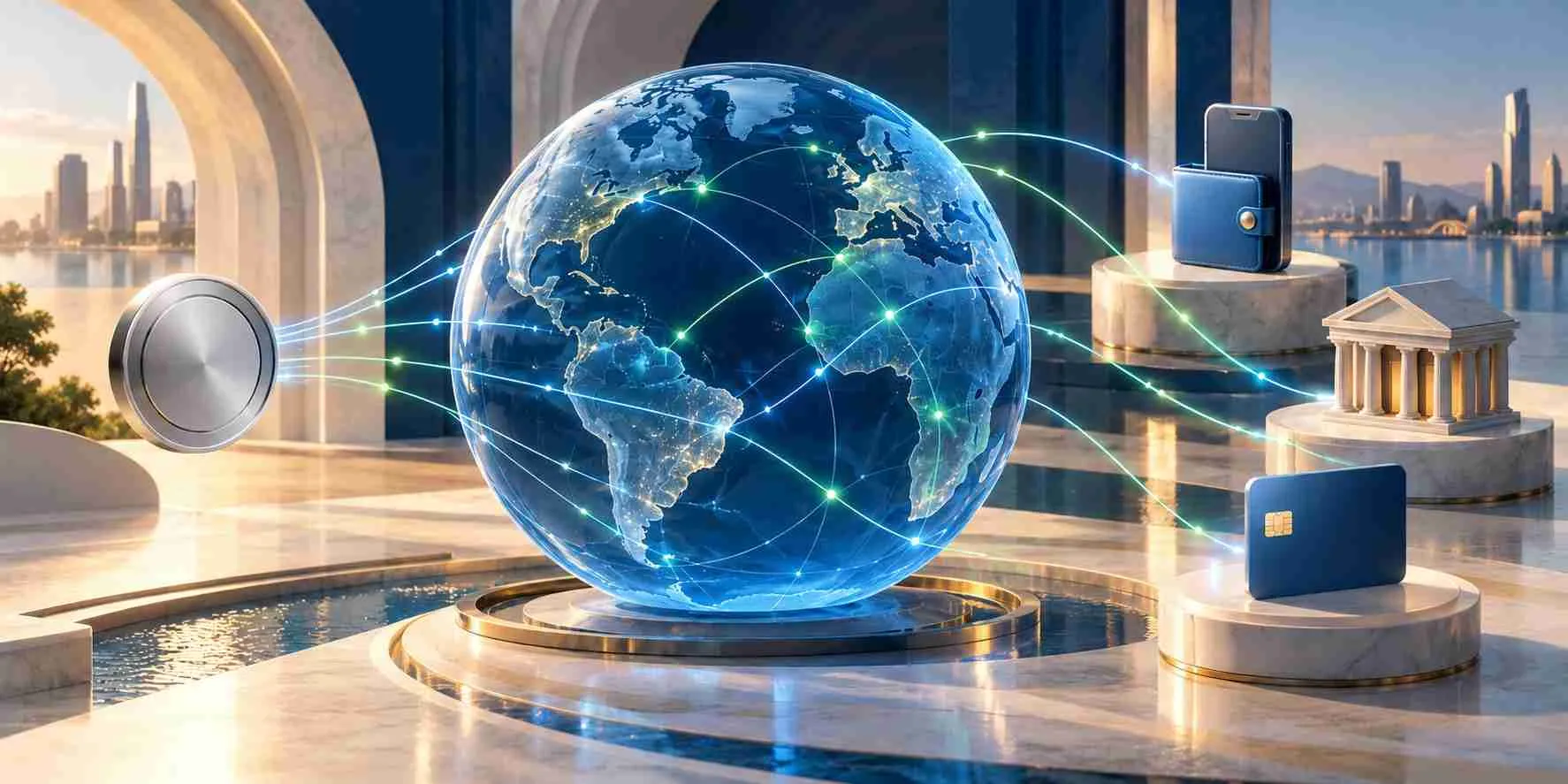
Blockchain has grown over the past 10 years, no longer being just an underlying technology supporting such currencies as Bitcoin and becoming an effective tool for transforming the way we manage money, information, and assets.
It enables people to have safe transactions without using a middleman and it stores records in a manner that cannot be erased or changed.
It is due to this that blockchain is being used currently in many industries such as finance, real estate, and supply chains to enhance their systems.
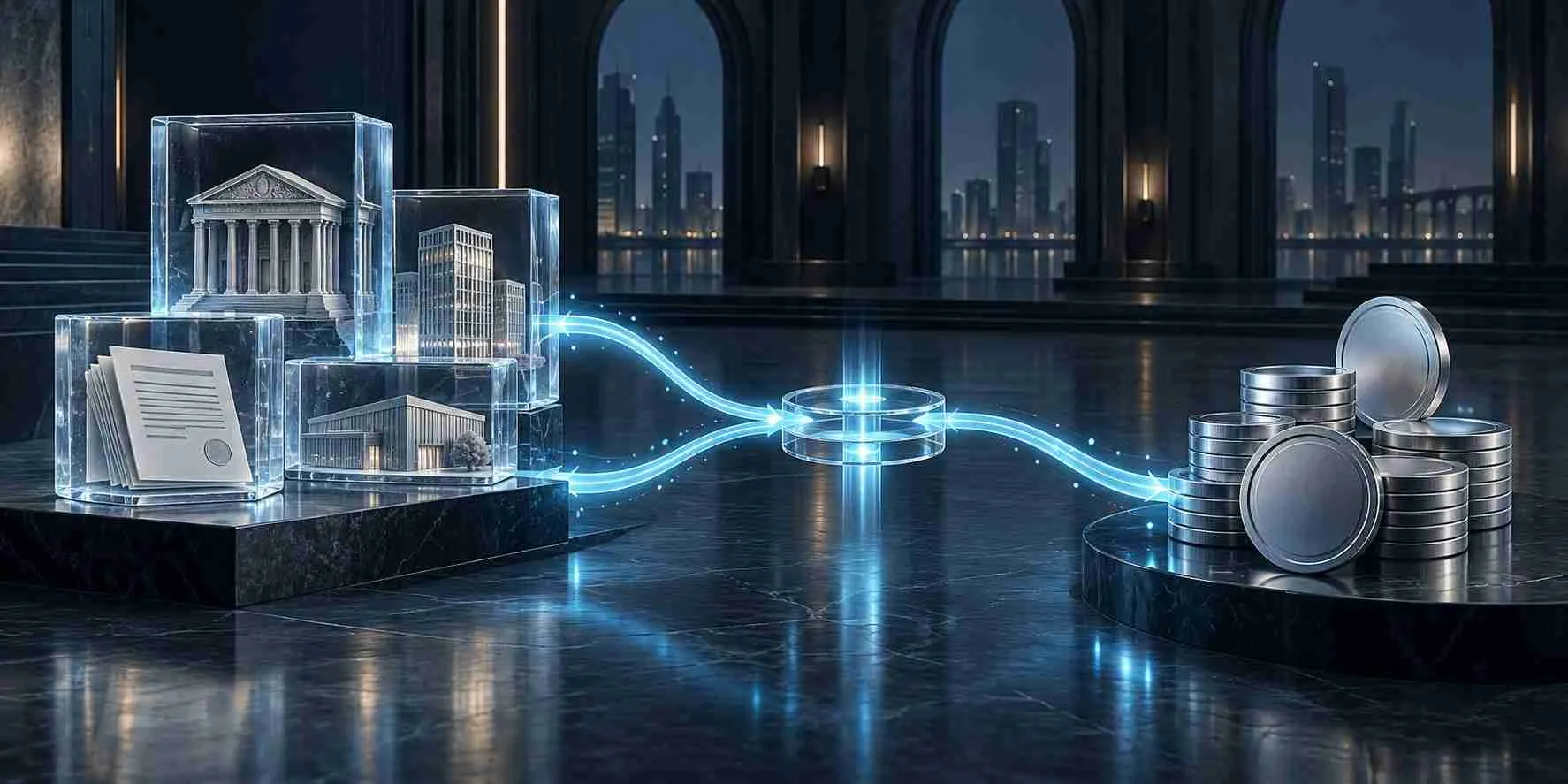
Asset tokenization is one of the most exciting transformations. It is the process of real-world items, such as houses, gold, or government bonds, into digital tokens live on a blockchain.
Such tokens are easy and secure to exchange online, which presents a new range of possibilities to people all over the world.
Yet another trend sweeping the world is the Real-World Assets (RWAs) on blockchain. Analysts are of the opinion that this may be the next trillion-dollar opportunity because it is transferring traditional assets to the digital world.
So let’s discover why this space is growing so rapidly.
What Are Real-World Assets (RWAs)?
Real World Assets (RWAs) are physical or traditional financial assets that exist in the real world and may be represented as digital tokens on a blockchain.
These have real economic value and are already in use by people, businesses, and governments in their day-to-day transactions.
Examples of RWAs
The following are some of the common RWAs,
Real estate: Housing and office space
Treasury bonds: These are bonds issued by the government and they earn interest.
Commodities: Physical products such as gold, oil or wheat
Carbon credits: The permits that enable businesses to emit a certain amount of carbon
Fine art: Artwork and collectible property of value
When tokenized, these assets are simpler to buy, sell, and exchange- usually in smaller quantities and made more accessible to all.
RWAs vs Digital-Native Assets
It is necessary to understand the difference between RWAs and digital-native assets.
New digital-native assets such as Bitcoin (BTC), Ethereum (ETH), and NFTs are natives of the blockchain. They do not exist in the real world physical form.
RWAs on the other hand are real world first. This is done by bringing them into the blockchain known as tokenization.
It is this difference that makes RWAs an effective tool for linking traditional finance with the digital future.
The Mechanics – How RWA Tokenization Works
A) Explanation of Tokenization
Tokenization is where a real-world asset is converted into a digital token that exists on a blockchain.
Each of the tokens represents the ownership or share of a physical asset such as a property or a government bond.
Those can be stored in digital wallets and can be traded on online platforms with ease, similar to cryptocurrencies.
B) Role of Smart Contracts, Custodians, and Oracles
RWA tokenization is made secure and reliable by some tools and parties,
Smart Contracts: They are self-executing programs in the blockchain. They do not require a middleman to handle rules such as transfer of ownership, payment, and dividends.
Custodians: These are third parties that are trusted and take care of the real-world assets behind the tokens. As an example, a building that is tokenized will have a custodian to ensure the legal title is owned and operated.
Oracles: Oracles are used to introduce real-world data to the blockchain. In the case of RWAs oracles can be used to provide things such as current prices or legal documents to ensure that the digital token reflects the actual asset.
C) On-Chain Representation of Off-Chain Assets
The tokenized version of an asset is stored on-chain (on the blockchain) whereas the physical one stays off-chain (in the real world).
It is on the blockchain that the information about who owns what token is stored and that information can be updated immediately when the token changes ownership.
This system makes quicker, secure, and transparent trade, compared to traditional asset handling.
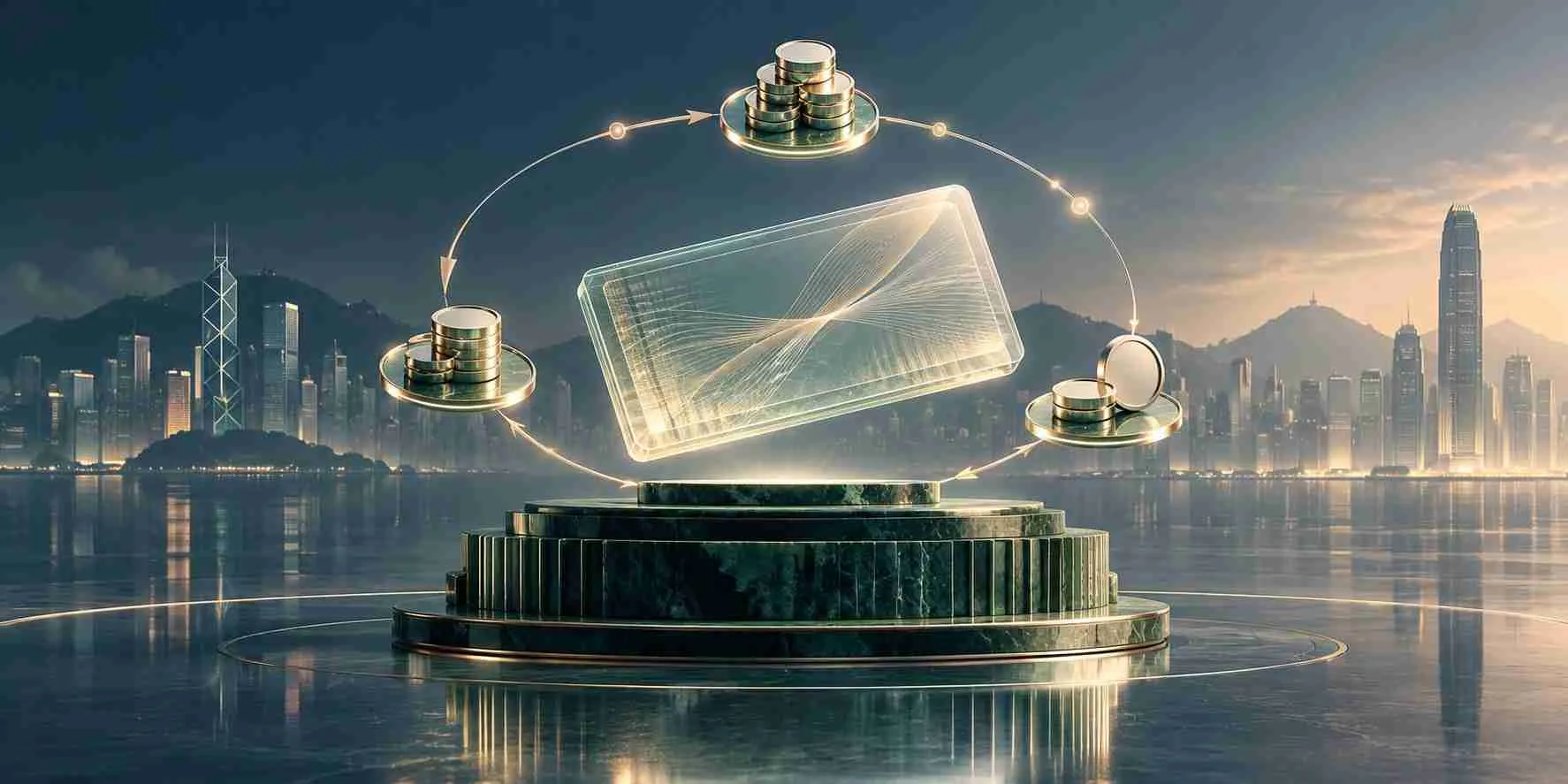
D) Process Flow – Acquisition → Tokenization → Trading
This is how the whole process works,
- Acquisition: A company or a platform buys or owns a real-world asset (such as real estate or bonds).
- Tokenization: That asset is then divided into digital tokens through the use of smart contracts.
- Trading: These tokens can be now purchased, sold, or traded on blockchain-based platforms.
The process also makes it possible for small investors worldwide to own pieces of large and valuable assets without having to need huge sums of money.

Leading Protocols in the RWA Space
The Real-World Asset (RWA) space is increasing rapidly, with a number of blockchain protocols taking the lead.
The platforms help the bridging of real-world value and digital systems by providing secure and reliable ways of tokenizing and trading assets.
A) Ondo Finance – Tokenized Treasuries
Ondo Finance is among the most popular ones in the RWA segment. It is aimed at tokenizing U.S. Treasury bonds a kind of safe and low-risk government investment.
Ondo offers digital tokens backed by these bonds, so people anywhere in the world can access U.S. treasuries without requiring the services of banks or brokers.
This makes it simpler to invest in stable assets for individuals in other countries and stay on-chain.
B) Centrifuge – Real-World DeFi Lending
Centrifuge is helping small companies to access loans based on real-world assets; such as invoices or property.
It links these business enterprises to DeFi (Decentralized Finance) platforms. Asset-backed tokens can have lenders investing and gaining interest, and borrowers receiving money without involving a bank.
Another thing that centrifuge is famous for is that it is one of the earliest protocols to introduce RWAs to Ethereum and Polkadot.
C) Matrixdock – Tokenized Yield-Bearing Instruments
Matrixdock is specialized in providing tokenized yield-bearing assets, including short-term treasury.
Investors are able to purchase tokens that generate interest with time just like traditional savings tools.
Still, unlike banks, Matrixdock uses blockchain to offer 24/7 global access and lower fees, as well as full transparency.
D) Other Notable Protocols
Polymesh – Security tokens blockchain that helps companies with regulation compliance in the process of tokenizing their assets.
Maple Finance – Provides crypto-backed loans collateralized by real-world assets and helps businesses in raising capital.
Goldfinch – A decentralized lending protocol that serves real-world borrowers in developing markets.
These platforms are showing that RWAs can operate at scale they are also laying the way for a future where traditional and digital finance operate hand in hand.
Benefits of RWA Tokenization
The benefits of tokenizing real-world assets are many and improve how we invest, trade, and manage traditional assets.
Some of the major advantages are as follows,
Increased Liquidity – Trade Previously Illiquid Assets
A lot of real-life assets, such as real estate, art, or shares of a privately owned company, are difficult to buy and sell within the short term.
This is addressed by tokenization which converts these assets into digital tokens that are easy to trade.
This allows sellers to get quick access to cash and buyers to invest without the time delays of weeks or months.
24/7 Market Access – No Market Close Hours
Traditional markets are open and shut at fixed times and they may remain closed during weekends and holiday seasons.
Trading in the blockchain is not bound by those restrictions. After the tokenization of an asset, it can be bought or sold at any hour, and any place in the world, just like crypto.
This makes and softens investing.
Fractional Ownership – Democratizing Access
It is not possible to invest in a whole house or gold bar by everybody. Since, through tokenization, huge assets can be divided into small pieces or fractions.
This means that one can invest as little as $10 or $100 instead of needing thousands. It makes the investment available to normal citizens and not only to the rich ones.
Transparency & Security – Immutable Recordkeeping
Once written, blockchain records cannot be changed. That means all the transactions of any tokenized asset are written permanently in a transparent and safe manner.
The information can be trusted and the investor can be sure that it is accurate and there is a reduced risk of fraud.
Such a level of transparency improves trust and enhances security overall.
Global Investor Reach – No Geographic Restrictions
They can invest in tokenized assets anywhere in the world, provided that they have access to the internet and a digital wallet.
This removes the distance, currency exchange, or the necessity to deal with banks and brokers. It makes a truly globalized financial system involving more people than ever before.

Real-World Use Cases and Case Studies
Real-world asset tokenization is not a concept that is still somewhere in the future, as it is already taking place in many industries.
Now it is time to consider some practical examples of where tokenization is already being used effectively.
A) Real Estate Tokenization Projects – RedSwan CRE
Real estate is among the biggest and most valuable asset categories in the world but it is usually hard to buy, sell, or partition.
RedSwan CRE is a platform that addresses this by tokenizing commercial real estate. They enable investors to purchase small fractions of big buildings in the form of digital tokens.
This helps individuals to invest in high-value property using less money.
An example, a person may be able to invest in a $5 million office tower by paying only half a million dollars and still get rental income.
B) Tokenized U.S. Treasuries Attracting DeFi Protocols
Treasury bonds in the United States are regarded as highly safe investments. Today, these bonds are becoming digital tokens on blockchain platforms such as Ondo Finance.
This has found interest in the DeFi (Decentralized Finance) community.
Such tokenized treasuries have now been used by DeFi platforms to provide stable returns to their users. This is a gap filler between the old way of government finance and the digital economy.
C) Art & Luxury Asset Tokenization
Fine Art, Vintage Watches, and Rare wines are also becoming tokenized in luxury items.
Sygnum Bank is one of the platforms that have tokenized artworks by famous artists like Picasso.
This lets investors own a small portion of a very costly painting and make profits in case of a rise in the value of the painting.
It also makes the luxury market accessible to more people.
D) Institutional Interest – BlackRock and JPMorgan
Large financial institutions are also entering into the RWA. One of the world’s largest asset managers, BlackRock has taken interest in tokenized funds.
In the meantime, JPMorgan has already experimented with tokenized assets on its blockchain Onyx.
Such developments indicate that tokenization is becoming trusted even at the top levels of finance.
The examples above show that the tokenization of RWAs is not the idea of the future but a reality that is unfolding.
Challenges and Barriers to Adoption
Regulatory Hurdles – Jurisdictional Uncertainty, SEC Compliance
Regulation is one of the greatest challenges. The rules of buying, selling, and trading of assets are different in different countries.
Other governments are in the process of determining the course of action regarding tokenized assets.
In the U.S., for example, the Securities and Exchange Commission (SEC) has very strict guidelines regarding what will be considered as a security.
In case a token qualifies as a security, then it has to go through many legal procedures, which can be a hurdle to innovation.
Valuation Standards – How to Price Tokenized Assets?
It may be difficult to determine the actual value of the tokenized asset. In stocks or crypto, there exist obvious market prices.
Since, when it comes to real estate, art, or rare collectibles, the value may vary based on the location, the needs, or the recommendation of experts.
There is no standard way to determine the value of a tokenized piece of a real-world asset.
Custody & Ownership Disputes – Legal Enforceability
Simply because one has a token does not necessarily imply someone has legal ownership of the real asset.
The ownership of a token might not be taken in court in certain countries. This creates legal risks as to who actually owns what, especially when there is a dispute or fraud.
Scalability Issues – Infrastructure Limitations
The scalability issue continues to affect many blockchains. They are only capable of a few transactions per second, which may become an issue in case millions of customers begin trading tokenized assets.
Security and Smart Contract Risk
Smart contracts are powerful, yet not perfect. Hackers can steal funds or crack the system in case there is a bug or weakness in the code.
This is a major issue for platforms that deal with real money and real-world assets.
What’s next in RWA adoption?
The future of Real-World Assets (RWAs) in the blockchain is bright. Large investors and firms are gaining more interest.
Banks and in fact, some governments are beginning to look into the possibility of tokenizing such things as bonds.
In these systems, payments will be made quicker and more secure with the use of stablecoins and central bank digital currencies (CBDCs).
In the long run, tokenized assets will collaborate with traditional finance more closely.
Analysts think that this growing trend has the potential to create a trillion-dollar industry in 2030, which will help more people invest in real assets through blockchain technology.
Bottom Line
Blockchain Real-World Assets (RWAs) are a new era in the financial world. Digitalizing real-world assets such as property or bonds allows investing to be simpler, faster, and available to people all over the world.
The growth is going to continue as more banks, investors and governments venture into the space.
It is just the start of something great, a future of the union between traditional and digital finance.
We are just getting started, follow this space, tokenized finance is coming along at a rapid rate.