When Bitcoin first came around, it was a cultural icon, and years later, it remained the primary symbol of crypto — even as crypto culture splintered — It was a symbol of liberty, invention, and a new method of money storage. However, the Gen Z investors are now growing in a world that is very different.
The decisions they make are important as they will determine the next major trend of crypto adoption. In 2026, the market will be more social, quicker, and with new offerings, such as altcoins, NFTs, and AI tokens — spreading into everyday life, even Web3 dating —
Gen Z is beginning to wonder a different question about this transformed environment: Is Bitcoin still cool, or is the future going somewhere different?
Surveys Showing a Shift From BTC to Altcoins and NFTs
A) What Recent Surveys Reveal About Gen Z Preferences
According to a recent survey, Gen Z is less attached to Bitcoin than older generations. A lot of young people claim that they would like to receive a token that allows them to use applications, become members of a community, or purchase digital art — the shift toward utility-driven digital identity NFTs —
In various polls, Bitcoin is viewed as a primary choice less often, and the interest in altcoins, NFTs, and projects with blockchains has increased. These tendencies do not mean Gen Z does not like Bitcoin, since a large portion of them consider it potentially valuable; they would like to divide their money between a variety of crypto choices.
Simply put, Gen Z uses crypto as a toolbox, rather than a single solution, choosing different coins based on various purposes and social motivations. These decisions are influenced by social platforms and friend groups, and most of the time through viral videos.
B) Why Gen Z Is Exploring More Than Just Bitcoin
Gen Z does not just see Bitcoin as such for a few reasons.
To begin with, people would like to have faster and cheaper networks to access applications and games. The chains, such as Solana, offer faster payments and reduced charges, which are welcomed by people who do not like waiting.
Second, community coins create a feeling of belonging; users become a part of Discord, post their memes, and vote on ideas. The fact that social bond makes a coin more of a club rather than an asset.
Third, new ideas are spreading through social investing by following friends or creators on TikTok Tok and Twitter is spreading quickly. When a popular person supports a token, others follow suit. It provides utility, status, and instant social rewards to the user.
C) Role of NFTs and Digital Identity for Gen Z
NFTs represent art to many of the Gen Z users. They serve as digital badges that show who you are and what you like. An NFT profile picture can be an indicator of belonging to a community, a fashion preference, or even a status symbol.
To others, NFTs are collectibles to be owned and traded, such as limited cards or rare items. They are treated as investment bets by others, hoping that their value will increase. This split, collect for fun versus buy for profit, makes NFTs both financial and cultural.
Due to this reason, NFTs attract young people who desire to be creative and have an opportunity to make money from their collections. New online communities are also driven by them.
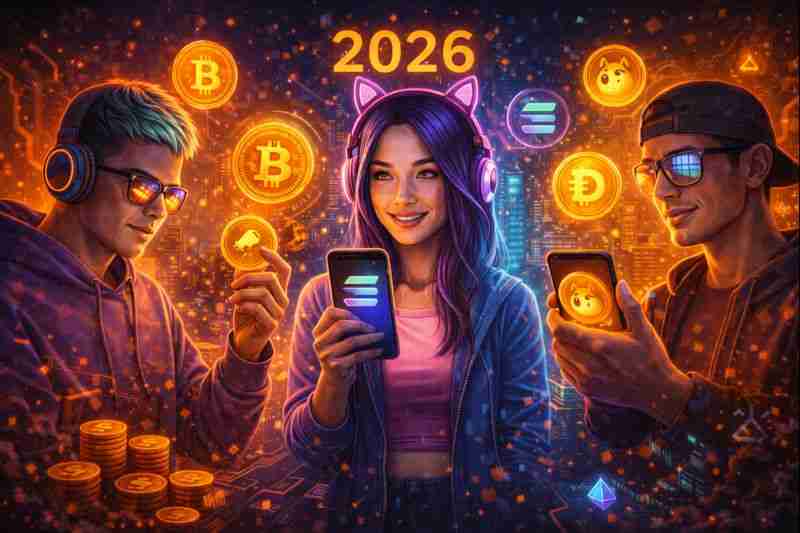
Bitcoin as a Store of Value vs “Culture Chains” Like Solana and Ethereum
A) How Gen Z Views Bitcoin Today
Bitcoin is still respected by many Gen Z users as the “digital gold”. Bitcoin to them represents a symbol of security and a long-term store of value. They usually consider it to be safer than newer tokens, where the old track record is trusted by the old investors.
Meanwhile, Bitcoin is slow and less convenient to use in day-to-day life. The costly and time-consuming transaction processes make it less applicable to apps, games, or fast payments. So while Gen Z might hold on to some Bitcoin, they invest in other chains in active projects and social usage. Others expect it to increase as a safe asset, whereas others buy it to hedge savings against inflation.
B) The Rise of Solana and Ethereum as Gen Z Favorites
Solana and Ethereum are quick and modern for lots of Gen Z users. These are the power of apps, games, and NFT projects, which prove creativity and social life. The low charges and fast transactions allow one to explore new things without big expenses.
The work on these chains is done by developers who release new functionality in the scene regularly, and as a result, the scene is exciting. The culture and art of memes are quickly dropped here, and that attracts the attention of the youth.
Projects on Discord and social applications build communal spaces, which enable tokens to develop due to shared ideas. Interest remains high with hackathons, a stream of new applications, and brand partnerships. Young creators like to build and share on these chains.
C) The Cultural Battle – Value vs Vibes
The fight in culture is on value versus vibes. Bitcoin is synonymous with legacy and security. It is conservative and slow, and this reassures long-term holders. Solana and Ethereum are also fast, have low costs, and a creative identity. Young users do not just visit these chains because they need money, but because they want to be socially considered, art, apps, etc.
This split means the coexistence of the two Bitcoins as a safe base and cultural chains for daily use and mark identity every day. And in the meantime, a lot of Gen Z users maintain a portfolio, having some Bitcoin as insurance and other tokens as entertainment and projects.

Memecoins, AI Tokens, and Gen Z’s Investing Psychology
1. Why Memecoins Are Gen Z’s Gateway to Crypto
Gen Z can easily begin with crypto using memecoins. They are based on jokes and memes, viral trends, and many people find them fun and low-pressure. A memecoin is contagious, and when shared, it goes viral on social applications and group chats. Small communities are created fast, and they exchange memes, ideas, and trade tips.
It is not only a financial but a social and exciting experience of that rapid community building. Memecoins also create FOMO, the fear of missing out, which pushes more people to buy early. Even a short video or a tweet can go on a coin trend and attract thousands of young users. Similarly, memecoins are a mix of humor, speed, and social validation, and allow newcomers to enter with minimal funds.
2. AI Tokens – The “Future-Tech” Appeal
To most young investors, AI tokens represent the future. The concept of artificial intelligence and crypto combination sounds modern and intelligent. Gen Z has been raised with technology and enjoys new tools that can deliver change. AI tokens offer applications and services that can learn or run smart programs on behalf of the user. The story can be spread on social media and discussion panels.
The AI mania means that people notice tokens attached to mainstream technology and wish to own them. There are projects that have tokens connected to actual tools or data, and this makes it that much more appealing. Some of these tokens are supported by builders and creators as well, and this is credible. To the young buyers with a curious mind, the promise of real use as well as future gains makes AI tokens tempting today.
3. Risk Appetite and the “Lottery Mindset”
Due to their crypto-investing, many Gen Zs will consider it a small lottery ticket. This is because they invest little and expect a huge payoff. This “Lottery Mindset” is a result of the desire to have quick gains at the expense of little money. Youth have a low rate of savings, and their living costs are high and so the opportunity to transform their lives matters.
Gen Z is more risk-takers and will roll into new trends at a quicker pace than older generations. They brainstorm, identify a trend, and do it in hours. Such a habit causes quick piles into memecoins or new tokens, which are capable of spiking or crashing. It is this desire to achieve overnight success that makes them pursue high returns, rather than consistent returns, and learning quickly.
4. The Influence of TikTok, YouTube, and Discord
Nowadays, a lot of cryptocurrency movements are driven by short films and small creators. Discord talks, YouTube clips, and TikTok videos transform small concepts into major phenomena. Micro-influencers give advice that followers may copy, show fast wins, or explain tokens.
Coins spread quickly as a result, and decisions made by the group feel urgent. Many people trade at once when communities vote, share drop dates, and create excitement around launches.
AMAs, brief updates, and group calls that encourage action take place on Discord servers. Yet, as not all ideas last, speed can also lead to fraud or poor transactions. Still, the social energy keeps youthful users engaged, educated, and developing.
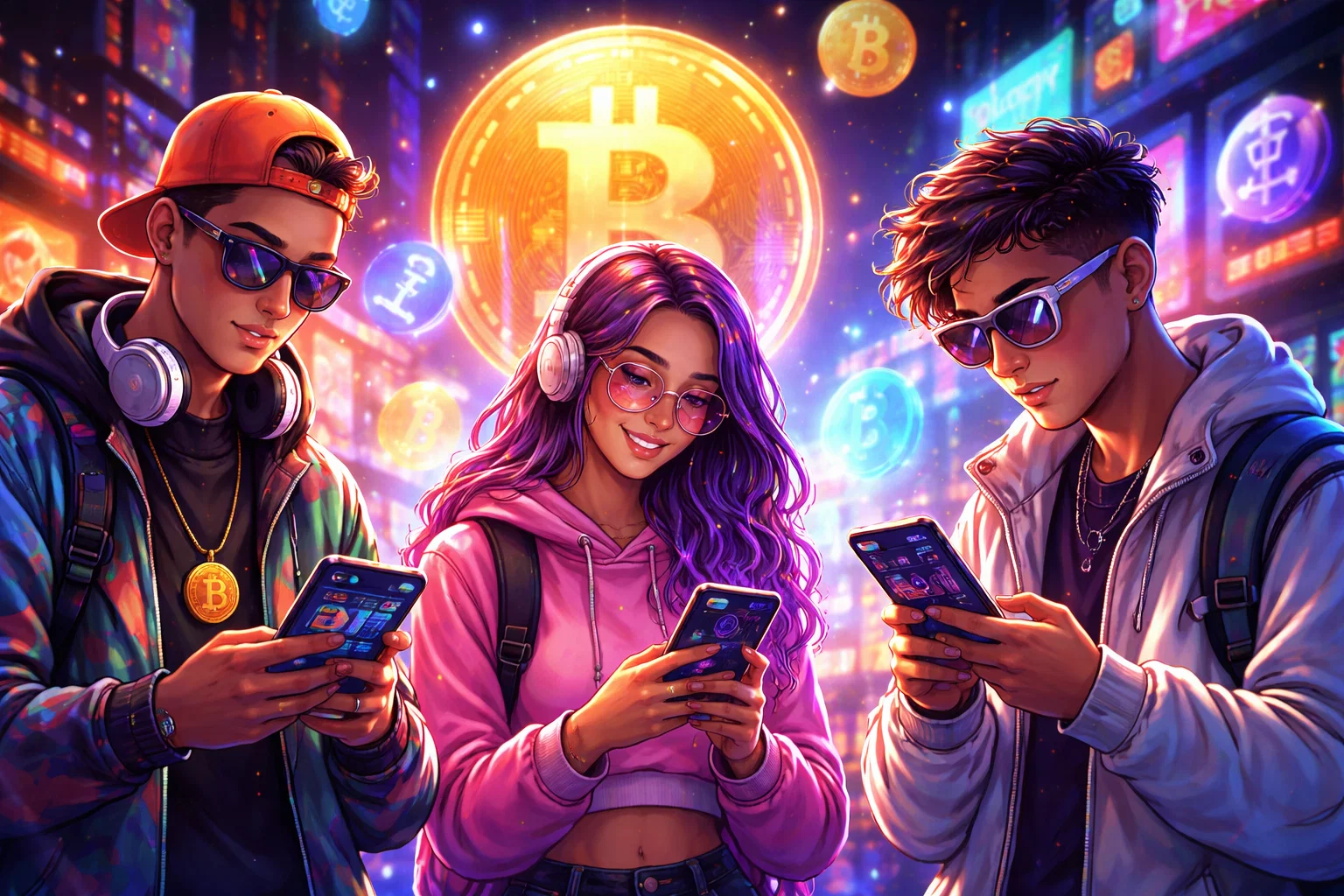
Deeper Motivations Behind Gen Z’s Crypto Choices
- Searching for Identity and Community
Gen Z frequently selects crypto projects that align with their online presence, interests, and personality. Memes, designs, comedy, and common ideals are what bind them together. For them, a token is more than simply an investment; it’s also a place to call home.
Many follow creators that match their style or join Discord groups. Gen Z stays engaged, shares ideas, and supports the coins they believe in because of this sense of community. Similar to fashion or music, cryptocurrency becomes a part of their online persona.
- The Role of Technology Speed and Aesthetics
For Generation Z, speed and design are very important. They like services and applications that are easy to use, have a clean appearance, and load quickly. They have a “cool factor” that Bitcoin cannot equal due to their modern blockchains, vibrant UI, and clear dashboards.
Tools that make trading or studying NFTs simple and enjoyable are popular among young consumers. Tokens stand out and attract loyal clients with a strong user experience and modern branding.
- Economic Reality – Gen Z Wants Faster Wealth Creation
Many young people face greater living expenses and have fewer savings. As a result, they search for fresh ways to increase profits more quickly.
They find confidence in crypto, particularly when traditional paths seem slow. They view crypto as an opportunity to try new things, earn riches, and get away from financial difficulties.
Adoption, Regulation, and Education: What This Shift Means
1. Will Gen Z’s Preferences Shape the Future of Crypto Adoption?
Which chains expand in the upcoming years will be greatly influenced by Gen Z’s decisions. Developers and brands will concentrate on rapid, cheap, and social chains if young people enjoy them. Companies developing NFT campaigns, games, and applications will select chains that fit the preferences and requirements of Generation Z.
As a result, culture chains like Ethereum and Solana might become even more powerful. As more young investors enter the market, their behaviors will drive new tokens, establish new trends, and determine which platforms attract the greatest number of users and attention.
2. The Risk – Gen Z’s Attraction to High-Volatility Assets
There are actual risks linked with Gen Z’s passion for fast-moving tokens. Scams, fake projects, and “too good to be true” claims are common among young investors. On social media, pump-and-dump currencies spread rapidly, and new investors are frequently caught at the top.
Some people jump into tokens without knowing what they offer or how they operate. Stress and losses might result from a lack of long-term planning. While taking chances is common in crypto, young users who are still learning the fundamentals may suffer if they act immediately or without patience.
3. The Opportunity – Educating a New Wave of Investors
Since this change also presents an important chance for better education. Crypto fundamentals are now being taught in an easy-to-understand manner by schools, internet platforms, and entrepreneurs. Many apps provide users with free courses on long-term investing, wallets, and safety.
This can help Gen Z manage their finances sensibly rather than blindly following trends. Young investors can develop healthier habits and ultimately reach true financial stability if they understand both the enjoyable and responsible aspects of cryptocurrency.
Conclusion – Is Bitcoin Still Cool for Gen Z?
Bitcoin is clearly being replaced by altcoins, NFTs, and quick social chains in Gen Z’s cryptocurrency habits. Gen Z is going to continue to use a combination of Bitcoin for security and culture chains for social and creative reasons beyond 2026. Their decisions will determine the direction of cryptocurrency, blending creativity, identity, and smart investing.