Cryptocurrency has gone from a niche hobby to an all-out frenzy over the past few years — splitting crypto culture, as we explored in Regens vs Degens. However, despite the vast possibilities, the industry has also drawn its share of hype, manipulation, and outright fraud — as in the NovaTech $650M scam —
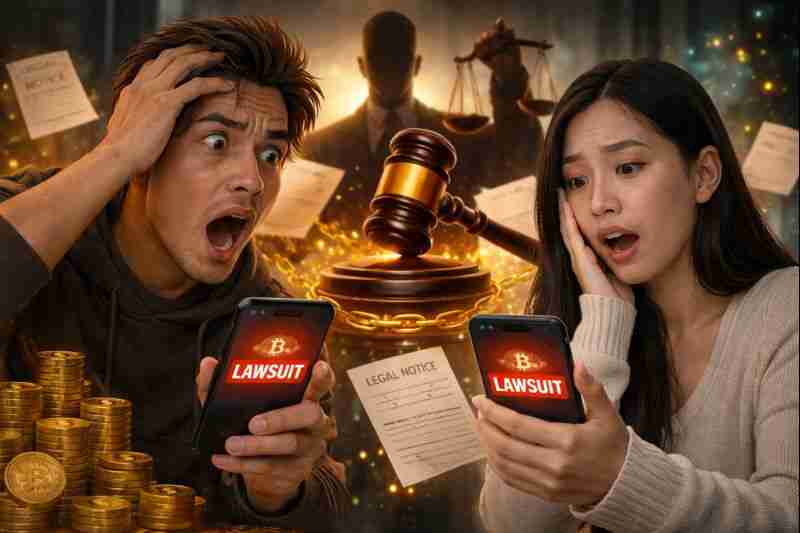
Social media influencers, who just yesterday were the friendly faces ushering people into Bitcoin, DeFi, NFTs, and new altcoins, are now being sued for millions of dollars at a time — even as legitimate players like enterprise AI firms in the UAE scale up —
Authorities are doing everything they can to make life difficult for alleged perpetrators, and prosecutors have not been slow to act.to root out bogus promotions, pump-and-dumps , and illegal touting of securities.
That, of course, begs the question: where does the fine line separating rah-rah promotion from a fraudulent scam get drawn? Influencers frequently say that they’re simply providing opinions, or even that they’re “not financial advisors,” but courts seem to increasingly disagree.
So, let’s take this from a few different angles: cases that have made the news recently and shaped our world, legal uncertainty that still confuses even authors and consumers, popular cases everyone is talking about, new evidence of growing transparency and DYOR (Do Your Own Research) attitudes in society where more people are expected to ‘do their own research’ before making up any mind.
New lawsuits, SEC fines, and influencer takedowns
Crypto boomed between 2020 and 2024, and the pace of regulation failed to keep up. But the rhythm dramatically shifted in 2024–2025. Influencers on YouTube, X (Twitter), Instagram, and TikTok have been slapped with lawsuits, subpoenaed, and ordered to pay out millions for pumping tokens that ultimately crashed, or were built to crash into the ground.
The logic behind these lawsuits is simple: If an influencer gets paid to promote a financial instrument, they must disclose it, and the product itself must be legally compliant. If not, the influencer can be held responsible just like any other promoter.
SEC fines are becoming routine
The U.S. Securities and Exchange Commission (SEC) is aggressively going after those who promote what it considers “unregistered securities.” This includes many new tokens, yield-farming protocols, and NFT investment schemes. Some of the most common allegations include:
- Failing to disclose payment for promotions
- Making misleading profit claims
- Participating in pump-and-dump schemes
- Providing unlicensed financial advice
- Promoting unregistered securities
- Encouraging followers to invest without warning of risks
It isn’t only the SEC. COUNTRIES: The U.K., India, Australia, Singapore, and the EU have also revised such laws with special focus on influencers hoodwinking the public at large.
The crackdown is global
- In the U.K., the Advertising Standards Authority (ASA) ruled on a new set of guidelines for sponsored crypto content; some posts made by influencers have already been banned as a result.
- India has cautioned celebrities and influencers that promoting high-risk cryptocurrencies could lead to penalties under consumer protection laws.
- The European Union’s MiCA (Markets in Crypto-Assets) law extends liability to anyone promoting fraudulent or high-risk tokens without proper disclosure.
Influencer takedowns are becoming common
Platforms themselves are joining the crackdown. YouTube has removed channels for “financial misinformation.” Instagram temporarily banned accounts spreading fake NFT giveaways. X has cracked down on “engagement farming” through misleading crypto promotions.
The result? Influencers are now more afraid than ever to promote new tokens, especially small-cap altcoins. The era of “get paid $20,000 to post a tweet shilling a new coin” is dying fast.
Influencer marketing in DeFi/NFTs — legal grey areas
Crypto is interesting because it’s at the crossroads of several industries: finance, tech, gaming, art, and digital ownership. The laws, as a result, are not always understood, and influences can often accidentally cross the line into dangerous territory.
These are the main legal gray areas in which influencers often fall foul:
1. When is a token a “security”?
Numerous cryptocurrency projects boldly assert that their token is merely a “utility token.” Regulators, however, typically have a very different perspective. According to them, a token is frequently viewed as something far more significant than merely a utility if it makes specific promises, particularly those that allude to profit or financial return.
- future profit
- passive income
- yield returns
- staking rewards
- ownership shares
- governance rights
It may legally be classified as a security.
Influencers who promote such tokens without registering or providing disclaimers may face legal consequences, even if they genuinely believed the token was a utility.
2. DeFi protocols with unproven audits
A lot of DeFi platforms claim to be “decentralized,” but many still have:
- Admin keys are controlled by a small group
- liquidity controlled by insiders
- No proper audits or fake audits
- code vulnerabilities
If an influencer promotes a DeFi platform that later gets hacked or rug-pulled, lawsuits often argue that the influencer “encouraged investment into an unsafe financial product.”
3. NFT promotions: art or investment?
NFT promotion has additional complexity. Unlike traditional tokens, NFTs can be both:
- artworks
- speculative investment assets
If an influencer promotes an NFT collection mainly for its “floor price potential” or “expected profit,” regulators may classify it as an investment scheme.
4. Financial disclaimers are not bulletproof
Many influencers rely on the phrase: “This is not financial advice.” Unfortunately, courts have already ruled that these disclaimers DO NOT automatically protect influencers from liability. If the influencer:
- receives payment,
- encourages buying behavior,
- gives specific price predictions, or
- misrepresents risks
They may still be legally responsible.
5. Memecoins add another layer of confusion
The memecoin craze, where tokens like DOGE and SHIB inspired thousands of joke coins, blurred the lines even further. Some influencers claimed their promotions were “just memes,” but regulators view them differently when real money is involved.

Case studies: who got caught, who got away
The crypto industry is full of dramatic stories of influencers being sued, and others mysteriously slipping away from legal trouble despite doing similar things. Looking at real cases helps clarify where regulators draw the line.
Case Study A: Influencers who got caught
- Celebrities promoting fraudulent tokens
There were several high-profile celebrities (actors, musicians, athletes) who got sued for shilling worthless tokens, which ended up being pump-and-dump schemes. In many cases:
- They were paid secretly
- Their posts lacked disclaimers
- They lied about electricity.
- They dumped their tokens early.
Even those who claimed they had “no idea it was a scam” were still forced to pay fines.
Lesson: If you promote to millions of followers, the law expects you to verify what you’re advertising.
Smaller crypto influencers have faced class-action lawsuits for promoting:
- Copy-paste DeFi forks
- hyped memecoins
- staking platforms promising unrealistic APYs
Many had private deals with developers through Telegram, where they agreed to:
- Shill tokens
- Hide their payouts
- dump early
Screenshots from leaked Discord chats and wallets were used as evidence.
Lesson: Lack of transparency and involvement in insider deals destroys an influencer’s legal defense.
- NFT creators accused of market manipulation
Several NFT project founders and promoters have been charged with:
- Manipulating floor prices
- Wash trading
- Promising metaverse utility that never materialized
- lying about partnerships
Influencers who hyped up these projects got sued, right next to the founders. Even if the influencer did not oversee the project, their promotion was viewed as a factor in investor losses.
Lesson: And if the project itself is a scam, its promoters can be considered accomplices.
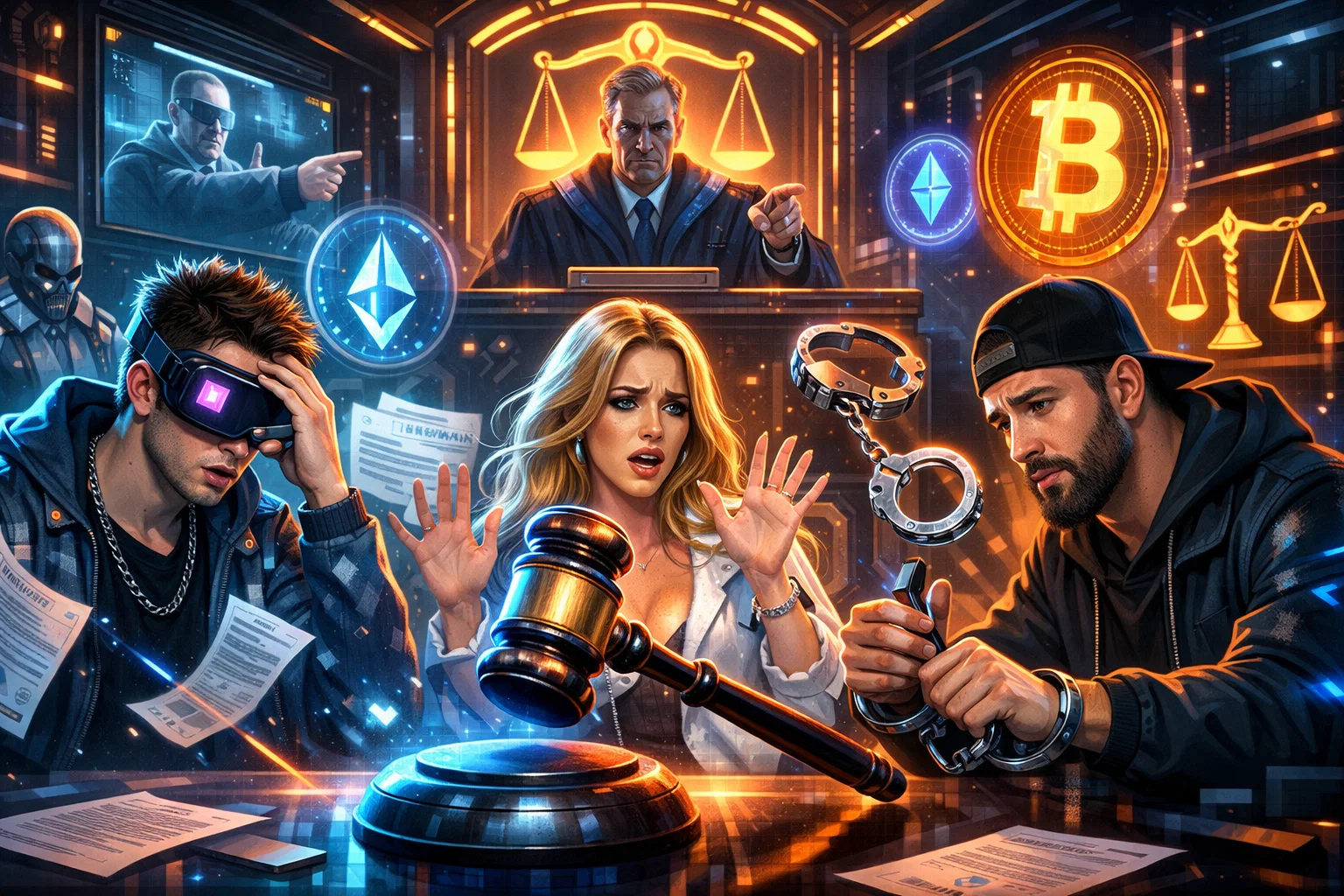
Case Study B: The Rockstars That Got Away (and what they did differently)
- Full transparency and on-chain proof
Some influencers avoid lawsuits by openly disclosing:
- Payments
- Token holdings
- Whether they are buying or selling
- Communication with the project
A few even publish their wallet addresses so followers can track their moves.
Transparency = legal protection.
- Focusing on education, not speculation
Influencers who frame content as:
- tutorials
- blockchain fundamentals
- technology reviews
- market analysis
Instead of telling followers what to buy, they often escape regulatory trouble.
Courts view them as educators, not promoters.
- Avoiding specific price predictions
Influencers who say:
- “This project looks interesting.”
- “Here’s how the technology works.”
- “This might have potential.”
They are less likely to get sued than those who say:
- “Buy now.”
- “100x soon.”
- “Guaranteed profits.”
- “I’m personally investing huge today.”
Specific financial encouragement is where legal risk skyrockets.
- Refusing undisclosed sponsorships
Some influencers publicly refuse:
- paid promotions
- presale allocations
- Team Insider Deals
- private token sales
By avoiding financial incentives, they reduce the risk of being charged with market manipulation.
Lesson: The less financially entangled the influencer is, the safer they are.

Transparency tools and “DYOR” culture
As influencer trust declines, the crypto community is building new tools and cultural practices to encourage transparency and protect new investors.
1. Wallet-tracking tools
Influencers increasingly share public wallet addresses, allowing followers to see:
- When they buy
- When they sell
- How much they hold
- Whether they dump after promoting
Tools like these expose pump-and-dump behavior instantly.
2. Sponsored content disclosures
Many countries now require influencers to label paid promotions clearly. Crypto communities prefer tags like:
- #ad
- #paidpartnership
- #sponsored
- #promotion
Viewers often become suspicious almost instantly if an influencer doesn’t publicly reveal this information, doubting the authenticity of their material and wondering if they’re being duped or coerced.
3. On-chain audit platforms
Several platforms provide:
- Contract safety ratings
- liquidity lock verification
- rug-pull risk assessments
- developer background checks
Investors now expect influencers to reference these audits before promoting a token.
4. DYOR: The new mantra of crypto culture
“Do Your Own Research” has become a foundational rule. Influencers who want to stay on the safe side constantly remind audiences to:
- read whitepapers
- check tokenomics
- verify teams
- Analyze liquidity
- Check smart-contract audits
- Look at community engagement.
DYOR is not just a safety practice; it is becoming a legal shield.
5. Community due diligence
Many communities pool their knowledge to investigate:
- suspicious teams
- fake partnerships
- copied codes
- centralized admin keys
- liquidity risks
Red flags get exposed faster than ever.
6. Open-source influence tracking
A new trend is the creation of tools that track influencers’ past calls and measure:
- Accuracy over time
- How many promoted projects failed? Whether they dumped tokens.
- Whether they caused price volatility
These tools hold influencers publicly accountable.
Conclusion
The world of the crypto influencer is changing, and not for the better. Just a couple of years ago, advertising tokens were the wild west, no rules, no punishments, and also, conveniently enough for the shysters out there, nobody to call the tune. But even as millions of regular people were losing money to rug pulls, scams, misleading endorsements, and projects that had been overhyped, regulators moved in with force.
Now, the distinction between a harmless endorsement and a criminal act is clearer than ever, but influencers keep tiptoeing as close as they can to it. The new reality is simple:
- Paid promotions must be disclosed.
- Speculative claims can be legally risky.
- Promoting unregistered securities is illegal.
- Being misled by a project is not a valid legal defense.
- Influencers can be held responsible for investor losses.
But the future isn’t all negative. Crypto is maturing. But it’s not all bad for the future. Crypto is maturing. Faster Transparency tools, on-chain data, community audits, and the DYOR culture are steering the space somewhat towards justice and accountability. Influencers who adapt and are transparent can still succeed and have a meaningful impact on educating and empowering the next generation of crypto enthusiasts.
Ultimately, the line between shill and scam is a matter of honesty. An influencer doesn’t have to be perfect; they just have to be transparent. And as crypto continues to evolve, that simple principle may be what keeps many promoters safe from lawsuits and the industry safe from manipulation.